
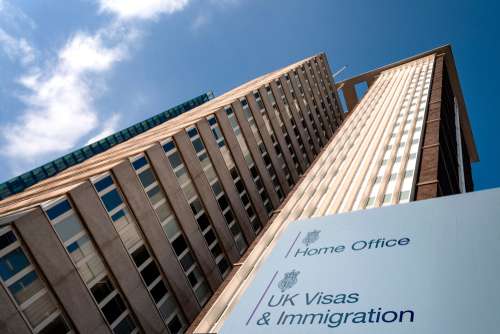
If you want your Thai spouse, partner or child to live with you in the UK, you need to identify the correct family visa route before applying. The right application depends on your relationship, your UK immigration status and the applicant’s circumstances.
The expression “UK settlement visa” is often used for a family visa that starts the journey towards permanent residence. However, a first spouse or partner visa normally grants limited permission to stay. It does not usually give indefinite leave to remain immediately.
Planning to move to the UK with your Thai family?
Tell us who will be applying, whether you are married and when you intend to move. We can explain the relevant route and what evidence you need to prepare.
Ask us on WhatsAppWhich UK family visa do you need?
Spouse or civil partner
If you are legally married or in a recognised civil partnership, your partner may be able to apply to join you in the UK. The relationship must be genuine and continuing, and you must intend to live together permanently.
Unmarried partner
An unmarried partner application requires evidence of a relationship similar to marriage or civil partnership lasting at least two years. Living together is useful evidence, but two years of cohabitation is not an absolute requirement in every case. Where you have lived apart, the reasons and the evidence of your relationship need careful consideration.
Fiancé, fiancée or proposed civil partner
This route is for couples planning to marry or form a civil partnership in the UK and then live there together. Permission is normally granted for six months. After the ceremony, a further application is needed to remain as a spouse or civil partner. You cannot work during the fiancé or fiancée permission.
Children
A child’s eligibility needs to be assessed separately. Where a Thai parent wants to bring a child from a previous relationship, the application may require detailed evidence about parental responsibility, the other parent and the child’s care arrangements. A marriage certificate alone does not establish the child’s eligibility.
See the official UK family visa guidance for the available routes.
What are the main spouse and partner visa requirements?
The requirements depend on the case, but a standard application normally needs to address:
- The applicant’s and sponsor’s identities and eligibility.
- A genuine and continuing qualifying relationship.
- The intention to live together in the UK.
- The relevant financial requirement.
- Suitable accommodation.
- The applicable English language requirement.
- A tuberculosis test certificate where required.
- Immigration history and any suitability issues.
The documents must meet the rules for the particular application. Providing a large bundle does not compensate for missing required evidence.
How much income does the sponsor need?
For most new partner applications, the minimum income requirement is currently £29,000 a year. Different provisions can apply to some applicants, including those covered by transitional arrangements or sponsors receiving specified benefits.
Not every source of money can be counted in the same way. Employment, self-employment, pensions, certain other income and qualifying cash savings have different evidence requirements. For an overseas application, do not assume that the Thai applicant’s salary can simply be added to the sponsor’s income.
If you are returning to the UK after living in Thailand, overseas employment and a UK job offer may be relevant, but the applicable conditions must be checked.
Read the official family visa financial requirements before relying on a particular income or savings arrangement.
What documents should you prepare?
A spouse or partner application from Thailand may require:
- A valid passport and evidence of the sponsor’s status.
- A marriage certificate or other qualifying relationship evidence.
- Evidence that any previous marriage has legally ended.
- Financial documents appropriate to the category being relied upon.
- Evidence of accommodation in the UK.
- English language evidence, unless an exemption applies.
- A TB certificate where required.
- Relevant documents about any children applying.
- Appropriate translations of documents not in English or Welsh.
There is no single checklist that fits every family. Self-employed sponsors, returning British citizens and applications involving children often need additional preparation.
How do you apply from Thailand?
- Identify the correct visa route and check eligibility.
- Prepare the required evidence and translations.
- Complete the application through GOV.UK.
- Pay the application fee and Immigration Health Surcharge where applicable.
- Follow the instructions for biometrics and submitting supporting documents.
- Wait for the decision and follow the instructions for accessing your immigration status and travelling.
Our forum guide explains where to apply for a UK visa in Thailand. Your visa decision is made by UKVI.
How long does a spouse visa last?
A successful initial spouse or partner application from outside the UK normally gives permission for up to two years and nine months. You then need to apply to extend your stay if you wish to remain.
Read our further leave to remain guide for the next application stage.
When can you apply for permanent settlement?
Under the standard five-year partner route, you may qualify for indefinite leave to remain after completing the required qualifying period and meeting the settlement requirements. Time spent on fiancé or fiancée permission does not count towards that five-year period.
Some applicants are on a different route, including a ten-year route. Check your grant of permission rather than assuming everyone follows the same timetable.
Our indefinite leave to remain guide explains this separate application. British citizenship is a further stage with its own requirements.
Can a visitor visa be used to move to the UK?
A visitor visa is for a temporary stay. It should not be used as a substitute for the appropriate family visa when the intention is to live in the UK.
Visitors normally need to leave the UK to apply for a family visa. If the purpose is a holiday rather than a move, read our UK visitor visa guide.
What if an application has been refused?
The next step depends on the refusal reasons, the evidence and any appeal rights. Reapplying without addressing the decision may lead to another refusal.
Read our guide to UK settlement visa refusals in Thailand. Seek advice promptly because deadlines may apply.
Get help preparing your family visa application
Thai Visa Express can review your circumstances, identify the relevant requirements and help prepare the application and supporting evidence.
Message us on WhatsAppThai Visa Express UK and Thai Visa Express Thailand are separate entities. The UK office is regulated by the Immigration Advice Authority, registration F200700163. The Thailand office provides overseas consultancy services and is not regulated by the IAA.
Guidance reviewed: September 2026. Requirements and fees can change. Check the current official guidance before applying.